Party Wall Solutions
Detailed information on each finishing treatment option — what each involves, when it's appropriate, and what factors to consider when comparing them.
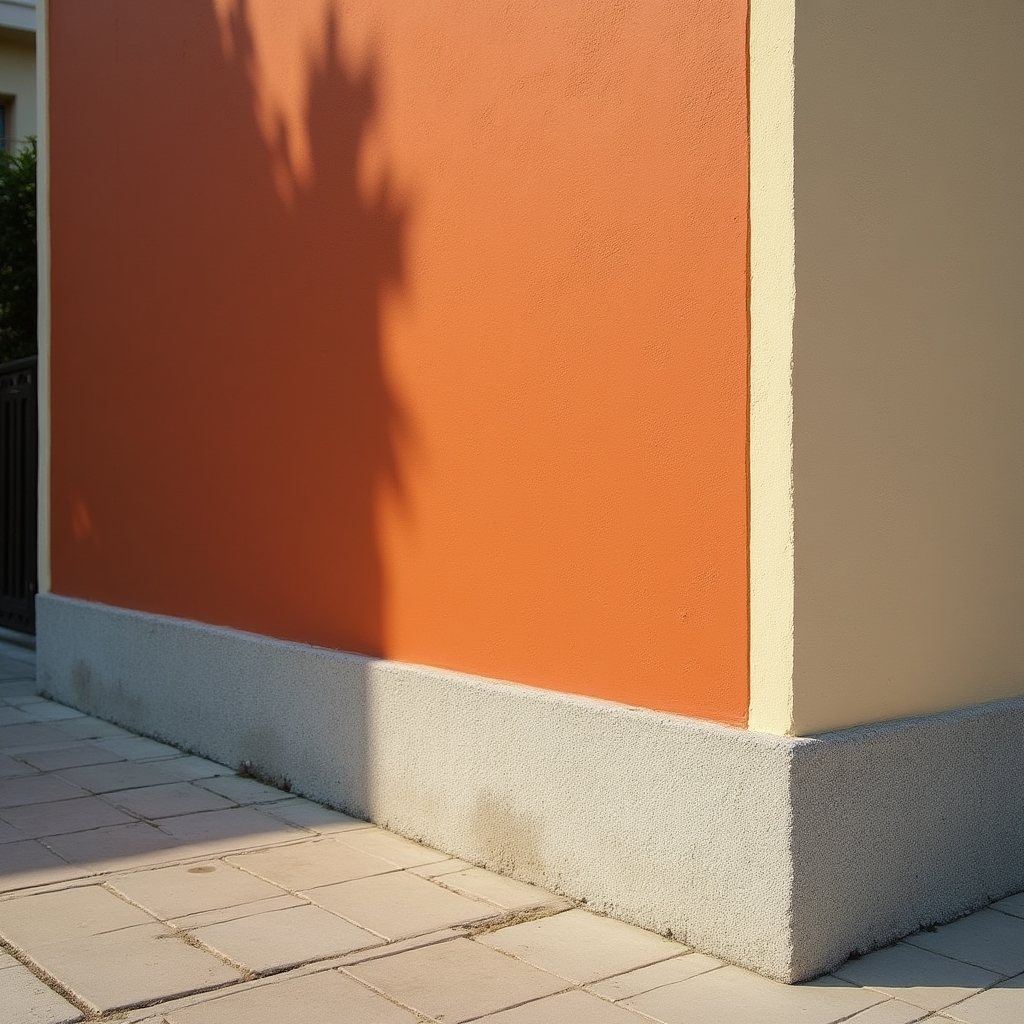
Waterproof Paint Treatment
Elastomeric anti-humidity coatings are applied directly to the prepared render surface. They create a flexible, waterproof membrane that accommodates minor structural movement and prevents moisture penetration. Available in a wide range of colours, allowing for a significant aesthetic improvement alongside the protective function.
- Relatively straightforward application process
- Wide colour range for aesthetic flexibility
- Suitable for walls with sound render and minor to moderate humidity
- Lower cost compared to cladding systems
- Requires render to be in adequate structural condition
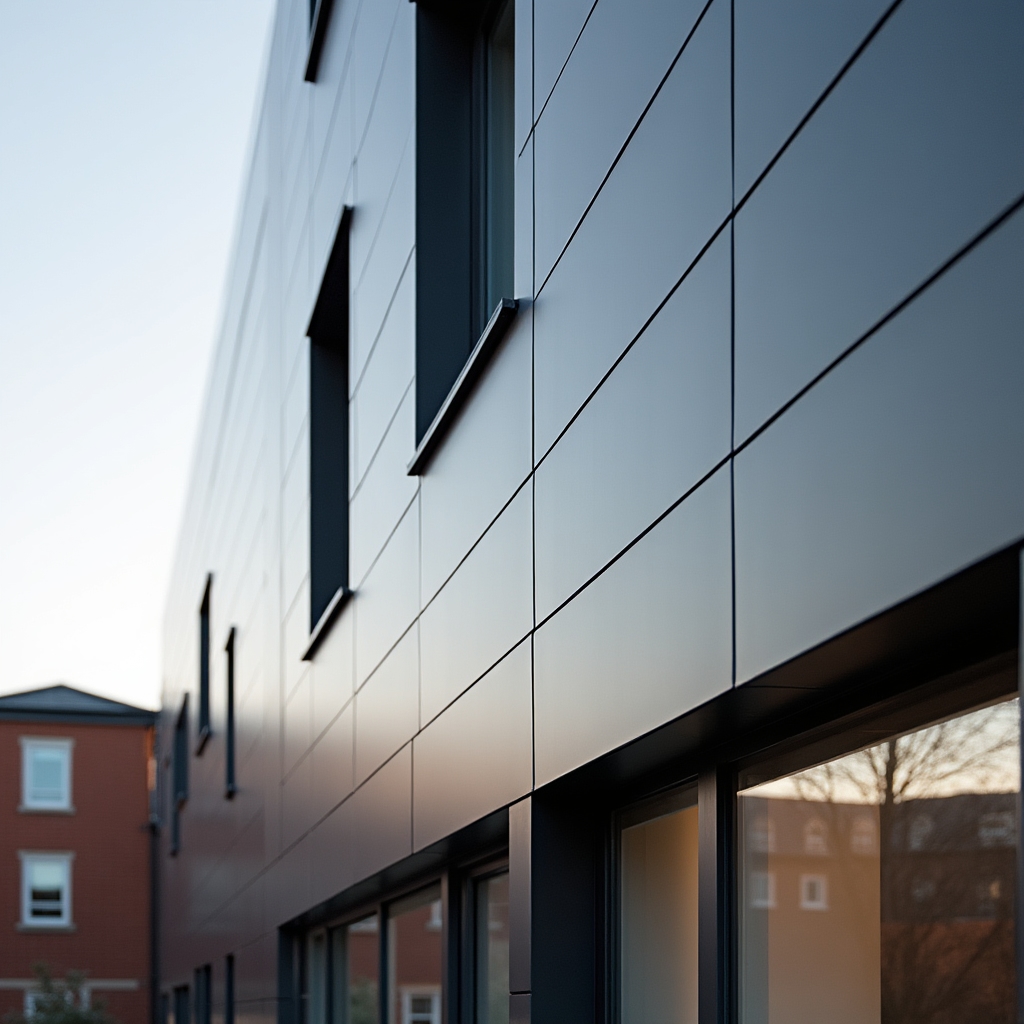
Ventilated Cladding System
A ventilated façade system consists of an outer cladding panel — ceramic, composite aluminium, natural stone, or fibre cement — fixed to a substructure attached to the wall, with an air gap between the cladding and the wall surface. This air gap allows moisture to drain and evaporate, eliminating the conditions that cause capillary humidity in the underlying wall.
- Addresses capillary humidity at source
- Improves thermal insulation of the building envelope
- Contemporary aesthetic with diverse material options
- Can be installed over deteriorated render without full removal
- Higher investment than paint; requires structural assessment
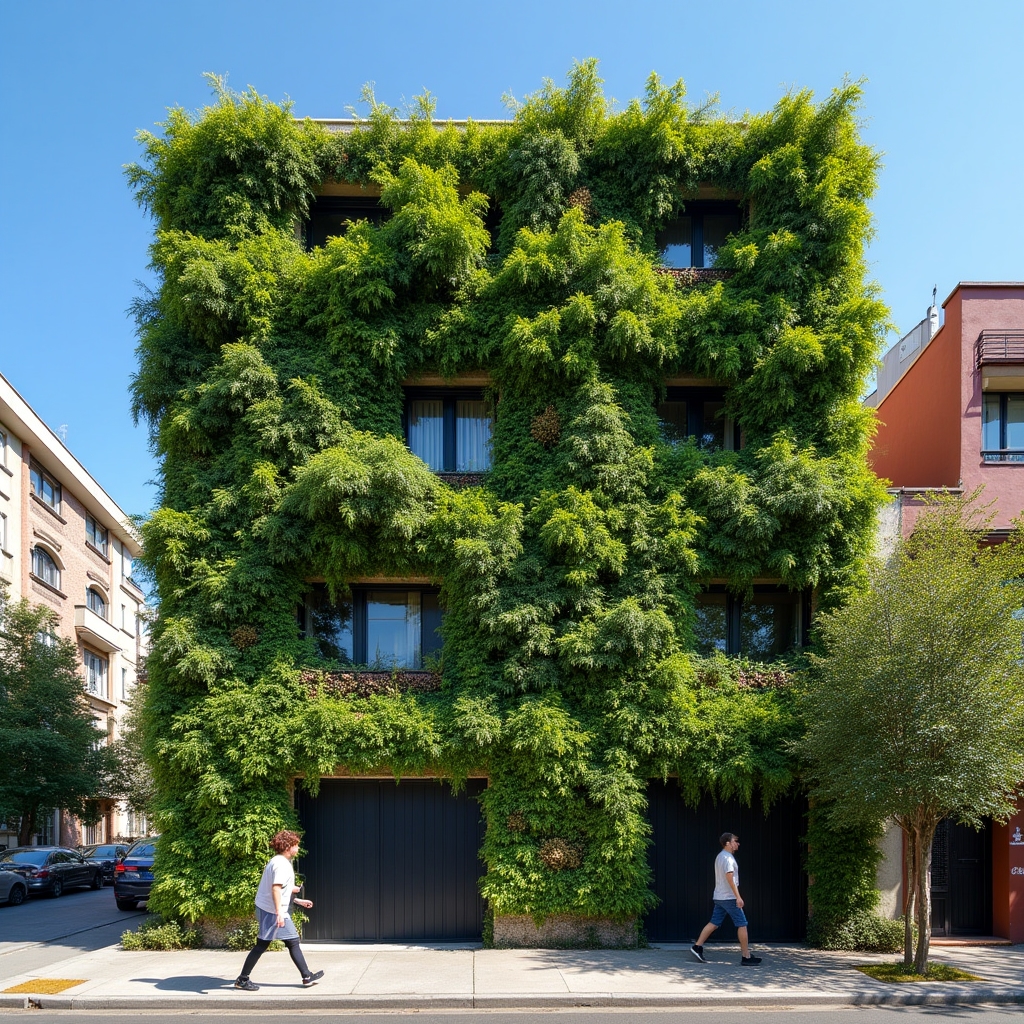
Vertical Garden
Modular vertical garden systems use lightweight panels or pocket systems fixed to the wall surface to support a variety of plant species. The result is a living surface that transforms the visual character of the party wall while contributing to urban biodiversity, reducing the urban heat island effect, and providing a degree of thermal insulation.
- Distinctive visual transformation
- Contributes to urban biodiversity and thermal comfort
- Can increase perceived property value
- Requires ongoing maintenance and irrigation system
- Plant selection must suit local climate and sun exposure
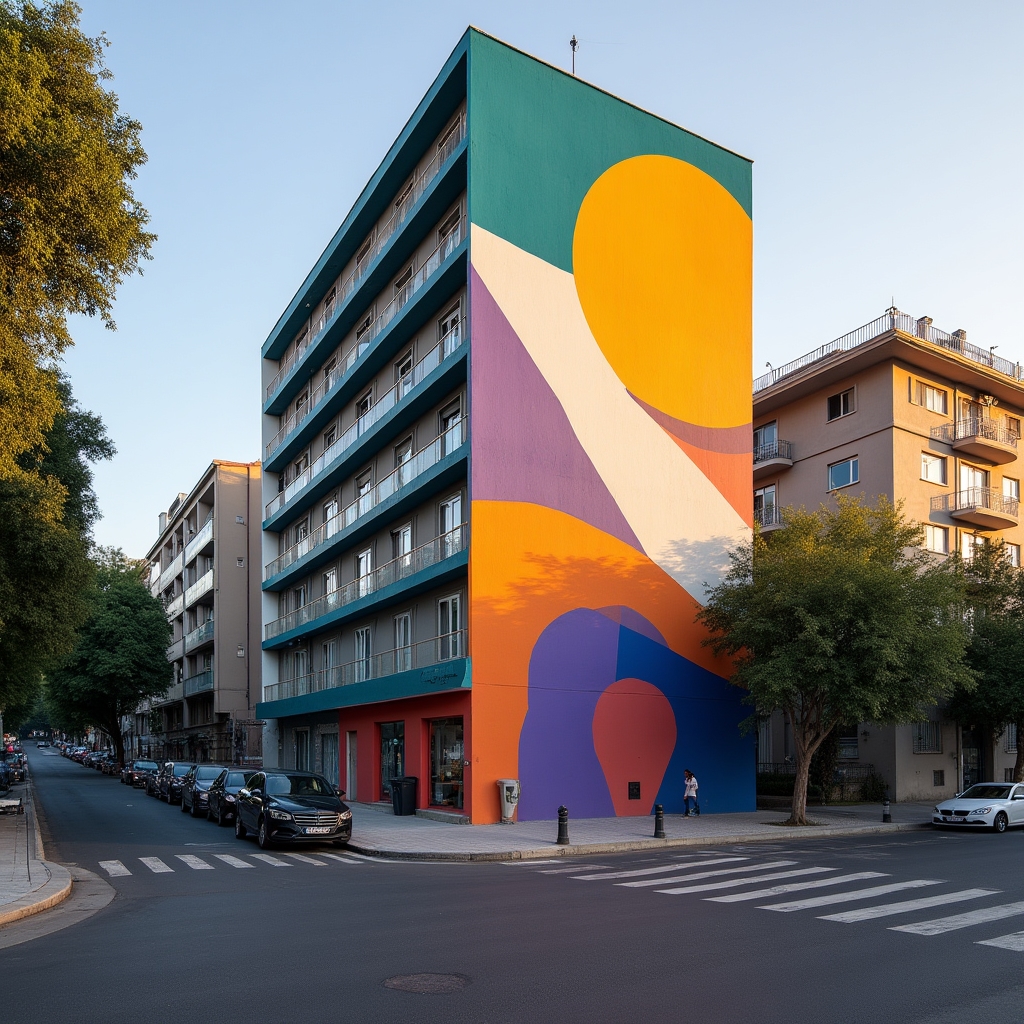
Artistic Mural
Commissioning a mural from a visual artist transforms the party wall into a public artwork. The process involves developing a brief that reflects the building's context and the consortium's preferences, identifying suitable artists, reviewing proposals, and supervising execution. Exterior murals use UV-resistant paints applied to a properly prepared surface.
- Creates a distinctive neighbourhood landmark
- Supports local artists and cultural identity
- Can be combined with protective base coatings
- Requires consensus within the consortium on artistic direction
- Longevity depends on paint quality and surface preparation
Factors that influence which solution fits each situation
No single solution is right for every party wall. The appropriate choice depends on a combination of technical, economic, and contextual factors.